Žvýkání zubů: Co vlastně děláte, když žvýkáte, a proč to má význam pro vaše zuby
When you chew, you're not just breaking down food—you're activating a system that protects your žvýkání zubů, proces, při kterém zuby, čelisti a svaly spolupracují k rozdrcení potravy a stimulaci slin. Also known as žvýkání, it is one of the most important daily habits for long-term dental health. Many people think chewing is automatic and harmless, but how you chew, what you chew, and how often you chew directly affect whether your teeth stay strong—or start to crack, wear down, or hurt.
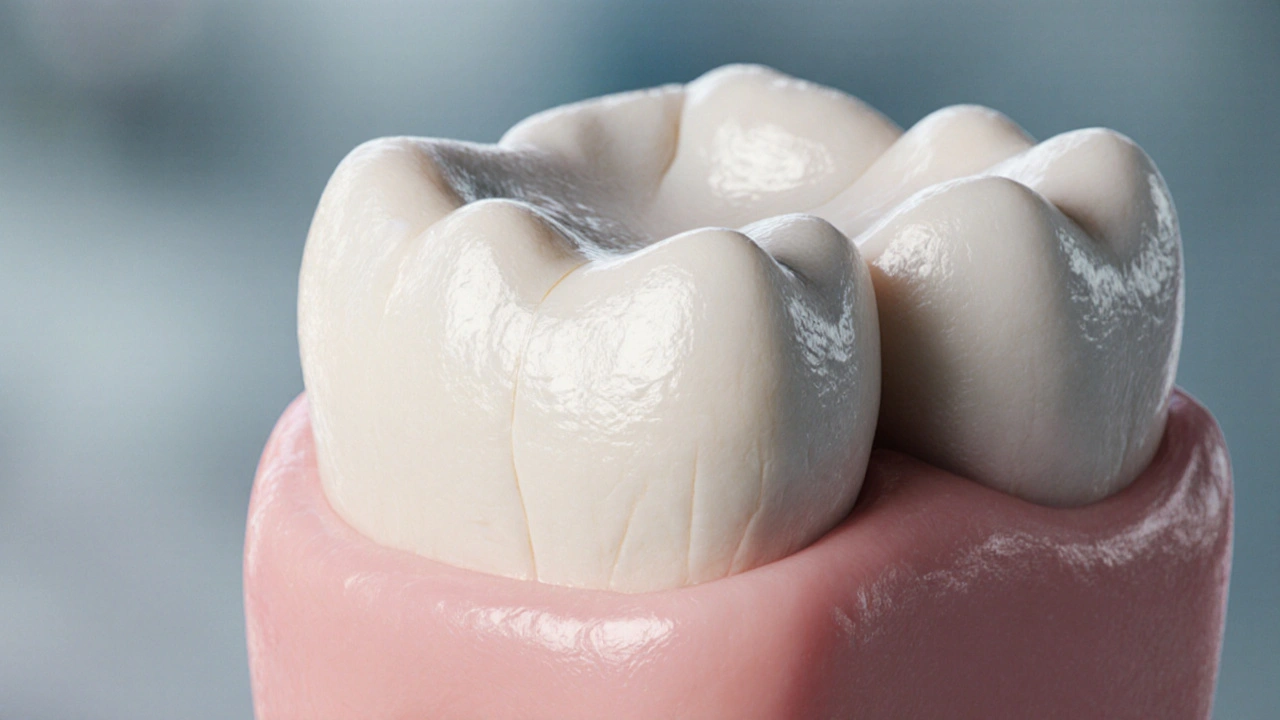
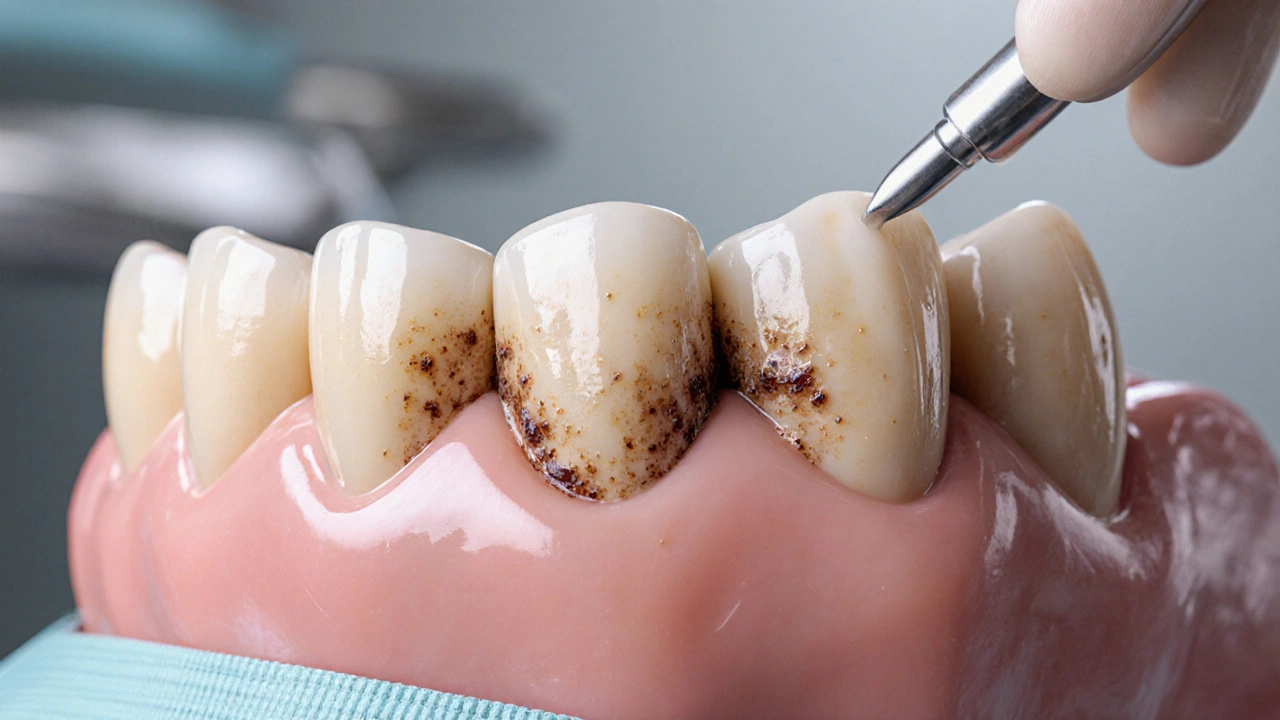
Your zubní sklovina, tvrdá vnější vrstva zubu, která chrání zubní drážky a nervy is designed to handle pressure, but constant grinding, chewing ice, or clenching your jaw turns normal chewing into damage. Over time, this leads to microcracks, sensitivity, and even fractures. And if you’re chewing mostly hard or sticky foods, you’re not just stressing your teeth—you’re feeding bacteria that turn into zubní kámen, tvrdý nános plaku, který se tvoří na zubech a pod dásněmi a je nemožné ho odstranit kartáčkem. This buildup doesn’t just cause bad breath—it’s the #1 cause of gum disease and tooth loss.
Chewing also affects your zubní hygiena, sada pravidelných praktik, které udržují zuby a dásně zdravé, včetně čištění, používání niti a pravidelných návštěv zubního lékaře. Saliva, which you produce while chewing, washes away food particles and neutralizes acids. But if you chew sugary gum or snack all day, you’re drowning your teeth in acid—even if you brush right after. The best chewing is balanced: firm foods like apples or carrots stimulate gums, while avoiding constant snacking gives your mouth time to recover.
If your teeth hurt when you chew, if you wake up with a sore jaw, or if you notice your teeth are worn down or flattened on top—you’re not just having a bad day. You’re sending a signal. Many people ignore these signs until they need fillings, crowns, or worse. But the fix often starts with something simple: changing how you chew, what you chew, and when you chew.
In the articles below, you’ll find real, practical answers to questions like: Why does chewing ice ruin your teeth? Can chewing gum help or hurt your oral health? What’s the link between grinding your teeth at night and morning jaw pain? And how can you tell if your chewing habits are leading to hidden damage? These aren’t theory pieces—they’re based on what dentists see every day in their clinics. You don’t need to be an expert to understand them. You just need to care about your smile—and how you use your teeth every single day.